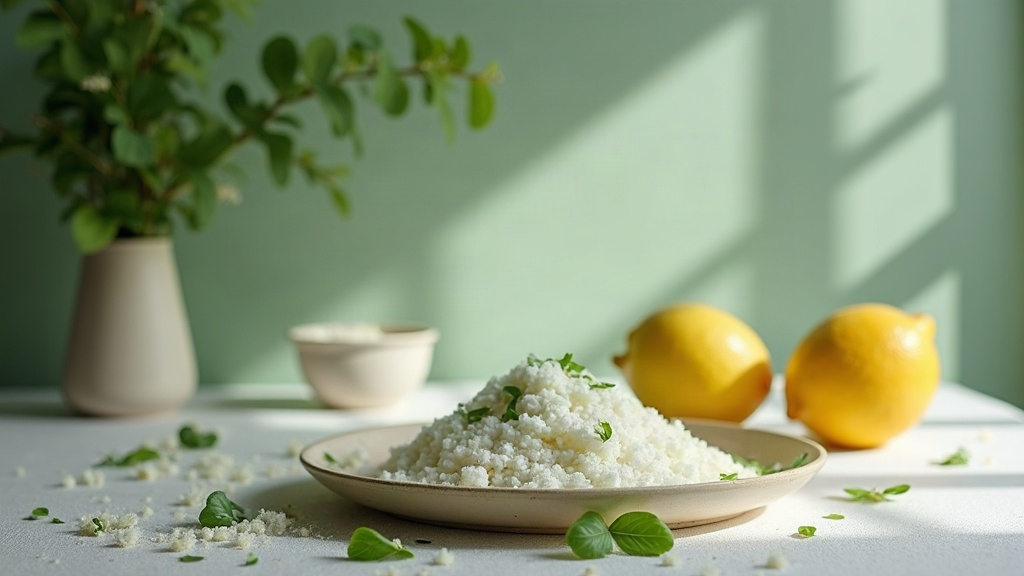
Before the coffee, the skincare, or the first meal of the day, many women are quietly learning how baking soda e gelatina fit into everyday routines connected to collagen support and satiety — no shortcuts, no promises, just information worth understanding.
nLong before anyone talks about baking soda e gelatina, it helps to understand what’s actually shifting in the body over time — and why so many routines stop working the way they used to.
nSkin elasticity and joint comfort are closely tied to collagen production, which tends to slow gradually as the years go by.
Many women notice that the same meals that once felt filling no longer carry the same sense of fullness.
Maintaining lean muscle becomes a more active process rather than something the body handles on its own.
Calorie-counting approaches from decades past often ignore how metabolism and body composition actually change with time.
There’s a lot of noise around female metabolism. Here’s a sober look at some of the most common claims.
nMetabolism only slows down after menopause.
nMetabolic shifts can begin gradually well before that stage and vary widely from person to person.
nEating less is always the answer.
nSevere restriction can affect lean mass and energy levels without addressing satiety or nutrient needs.
nAll fatigue is just ‘getting older.’
nDiet quality, sleep, and daily habits all play a documented role in how energetic a person feels.
nThis isn’t a program or a plan — it’s a small routine some women have folded into their day, described here strictly for educational purposes.
nLearn what hydrolyzed gelatin is and how it relates to the collagen naturally found in the body.
nSome women pair this habit with a specific part of their day, such as an evening wind-down routine.
nThis is about a repeatable habit, not a dramatic overhaul of an entire diet or lifestyle.
nLong before modern supplements existed, home kitchens relied on gelatin-rich broths and stocks as a staple ingredient, often paired with a pinch of baking soda during preparation to affect texture and digestibility. This wasn’t a wellness trend — it was simply how food was made in many households for generations, valued for being simple, accessible, and rooted in whole ingredients.
nThe reappearance of baking soda e gelatina in modern conversations isn’t a new discovery — it’s a return to ingredients that were already part of everyday cooking long before ‘collagen’ became a marketing word.
nFeeling hungry again shortly after eating a full meal can be worth noting over time.
Changes in skin elasticity are commonly linked to natural collagen decline.
Mild stiffness, especially in the morning, is something many women report experiencing more often.
The scale staying the same while clothing fits differently can point to changes in muscle-to-fat ratio.
A noticeable energy dip in the mid-afternoon is a pattern worth watching, not ignoring.
Nail health is sometimes an early, visible indicator of broader nutritional patterns.
These are individual experiences shared for illustrative purposes only. Individual results may vary, and these testimonials do not guarantee any specific outcome.
nHydrolyzed gelatin is a form of gelatin that has been broken down into smaller components, making it easier for the body to process compared to traditional gelatin.
nNo. This content describes a habit some women incorporate into their routine; it is not a structured diet or weight-loss program.
nNo. This is educational content only and should never replace guidance from a qualified healthcare professional.
nHistorically, baking soda was used in kitchen preparations involving gelatin-based ingredients, often for texture. The two are discussed together for that traditional context.
nNo. The information here is relevant to women broadly, regardless of age, since collagen and metabolism naturally vary by individual.
nThis content does not make any weight-loss claims. It focuses on habits related to satiety and collagen-related education, not fat loss.
nThe linked video walks through this topic in more depth and is the best next step for a fuller explanation.
nWatch the full explainer to understand how baking soda e gelatina are being discussed in the context of collagen and satiety — presented plainly, without exaggerated claims.
nAdvertising Disclosure: This page contains sponsored content and affiliate links. We may receive compensation if you engage with certain links or offers presented on this site. This compensation does not influence the educational nature of the content provided.
nContent Disclaimer: This content is for educational and informational purposes only. It has not been evaluated by the FDA and is not intended to diagnose, treat, cure, or prevent any disease or condition. Always consult a qualified healthcare professional before making changes to your diet, supplement routine, or lifestyle.
nResults Disclaimer: Any testimonials or examples shared reflect individual experiences and are not guarantees of specific outcomes. Individual results may vary significantly from person to person.
n© 2026 · All Rights Reserved · /contact/
n